Instagram automation works best when it’s part of a system. Many users experiment with automation tools hoping to grow faster, but without a structured framework, results often become inconsistent.
Some accounts grow quickly and then plateau. Others experience temporary blocks or unstable engagement patterns. In most cases, the issue isn’t the automation itself—it’s the lack of a long-term strategy guiding how automation is used.
This article explains a complete automation growth framework that helps accounts scale safely, maintain stability, and convert attention into meaningful engagement using Onimator.
Growth Begins With Behavioral Trust
Before automation can scale effectively, an account must establish behavioral trust. Instagram’s systems continuously observe how accounts behave over time, analyzing patterns such as activity frequency, engagement rhythm, and behavioral consistency.
Accounts that suddenly increase their activity often trigger attention from the platform’s monitoring systems. Even when action limits remain technically within safe ranges, abrupt behavioral changes can create instability.
The foundation of safe automation growth is consistency. Automation should begin with conservative activity levels and gradually evolve as the account demonstrates stable patterns. Over time, Instagram begins to recognize the account’s activity as normal behavior.
Onimator supports this process by allowing users to control pacing, limits, and workflow activity so that automation develops gradually rather than appearing abruptly.

Structure Automation Around Clear Workflows
Automation becomes far more effective when actions are organized into structured workflows rather than scattered tasks.
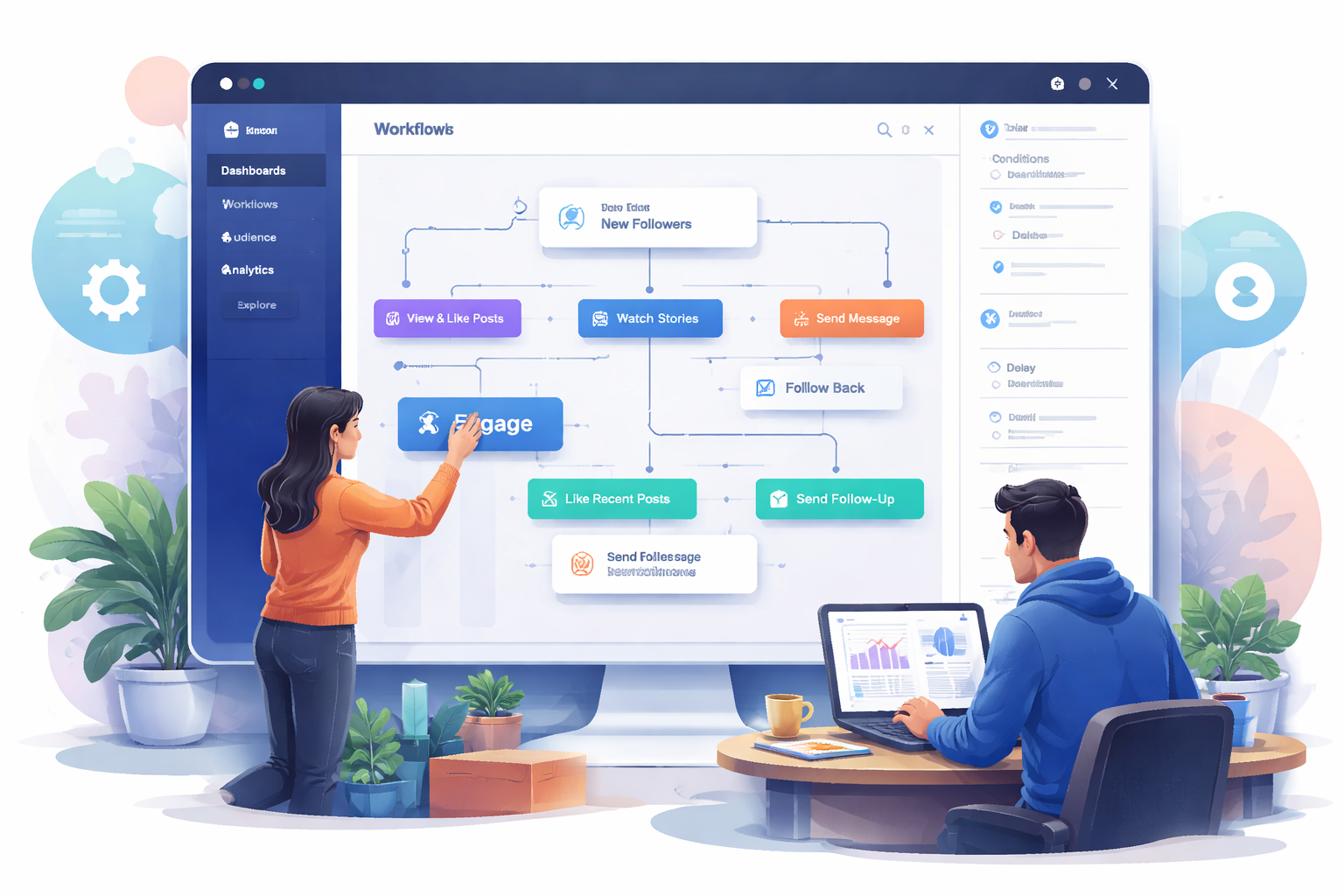
A workflow represents a defined engagement behavior—such as interacting with targeted users, viewing stories, or liking posts within a specific audience segment. When workflows operate consistently, they create stable activity patterns that mimic natural user behavior.
Without structure, automation can become unpredictable. Actions may overlap, limits may conflict, and behavioral patterns may appear erratic.
Onimator’s workflow-based automation system helps users organize engagement activity into controlled processes. Each workflow can be managed independently, allowing automation to remain stable while adjustments are made gradually.
This structure allows users to scale automation strategically rather than chaotically.
Targeting Determines Growth Quality
Automation increases visibility, but targeting determines who sees your account.
Many users focus heavily on action volume while overlooking the quality of the audience they are reaching. Engaging with a broad audience may generate temporary follower growth but often produces weak engagement and low retention.
Strategic targeting on relevance. By engaging with users who already interact within your niche—through hashtags, competitor audiences, or shared interests—automation becomes more effective.
When the right audience encounters your profile, the likelihood of meaningful engagement increases significantly.
Onimator’s targeting system allows users to refine audience sources, making it possible to build a follower base that aligns with the account’s content and purpose.

Content Converts Automation Traffic
Automation introduces users to your account, but content determines whether they stay.
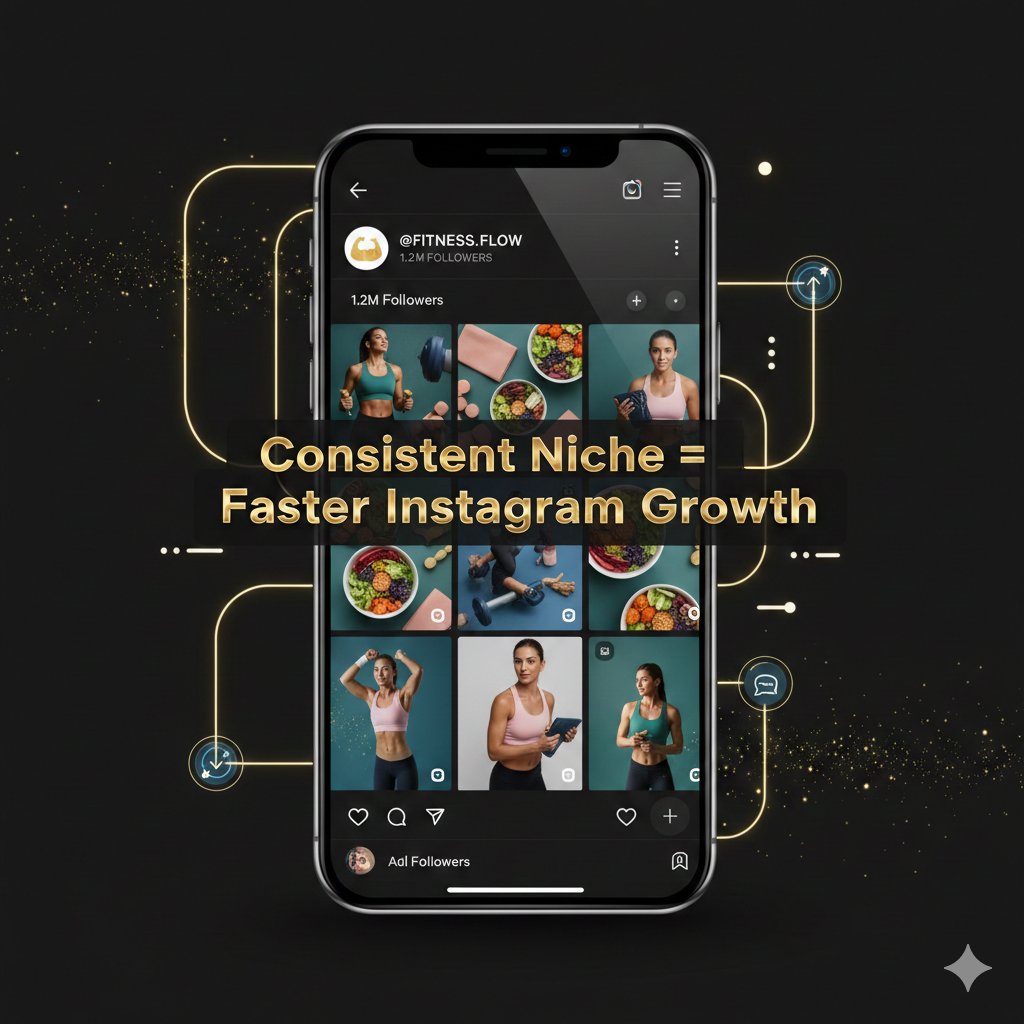
When new visitors arrive through automated engagement, they immediately evaluate the profile’s recent posts. Clear messaging, consistent themes, and valuable content encourage visitors to follow and interact.
If the profile appears random or inactive, the opportunity is lost—even if automation successfully generated the visit.
Accounts that combine automation with intentional content planning often see stronger long-term growth. Automation brings attention, while content provides the reason for users to remain connected.
Onimator helps generate consistent exposure, while content strategy transforms that exposure into audience loyalty.
Scaling Requires Patience and Stability
One of the most common mistakes in automation is scaling too quickly. Users often increase limits aggressively once they see early growth, unintentionally creating behavioral shifts that attract platform attention.
Safe scaling happens gradually. Limits should increase slowly, workflows should stabilize before adjustments are made, and targeting should evolve carefully.
Stable behavior over time builds algorithmic confidence in the account’s activity pattern.
Onimator allows precise adjustments so scaling can occur in controlled increments rather than abrupt changes.
Patience during this phase protects long-term growth potential.
Monitor Signals Instead of Chasing Numbers
Follower growth is the most visible metric, but it isn’t the only signal that matters.
Healthy automation growth often produces other indicators as well, such as increased profile visits, higher story views, improved engagement ratios, and more meaningful interactions with content.
Monitoring these signals provides a clearer understanding of whether automation is attracting the right audience.
When automation is aligned correctly with targeting and content strategy, these engagement indicators improve naturally.
Onimator’s activity monitoring features help users track performance without relying solely on follower numbers.

Final Thoughts: Automation Works Best as a System
Automation alone cannot guarantee growth. It becomes powerful only when integrated into a structured system that balances targeting, content, and behavioral consistency.
Accounts that follow a clear automation framework tend to experience more stable growth, fewer restrictions, and stronger audience engagement.
With the right strategy, automation stops feeling like a risky experiment and becomes a predictable growth engine.
Onimator provides the infrastructure for that system.
Strategic execution turns it into long-term success.
Looking for an automation tool that supports this framework out of the box? See how Onimator automates Instagram growth with real-device execution and built-in safety controls.